Vande Bharat: 20-Year Demand Outlook, 4.0 Leap, and an Aggressive ₹1 Lakh Investment Play


Introduction
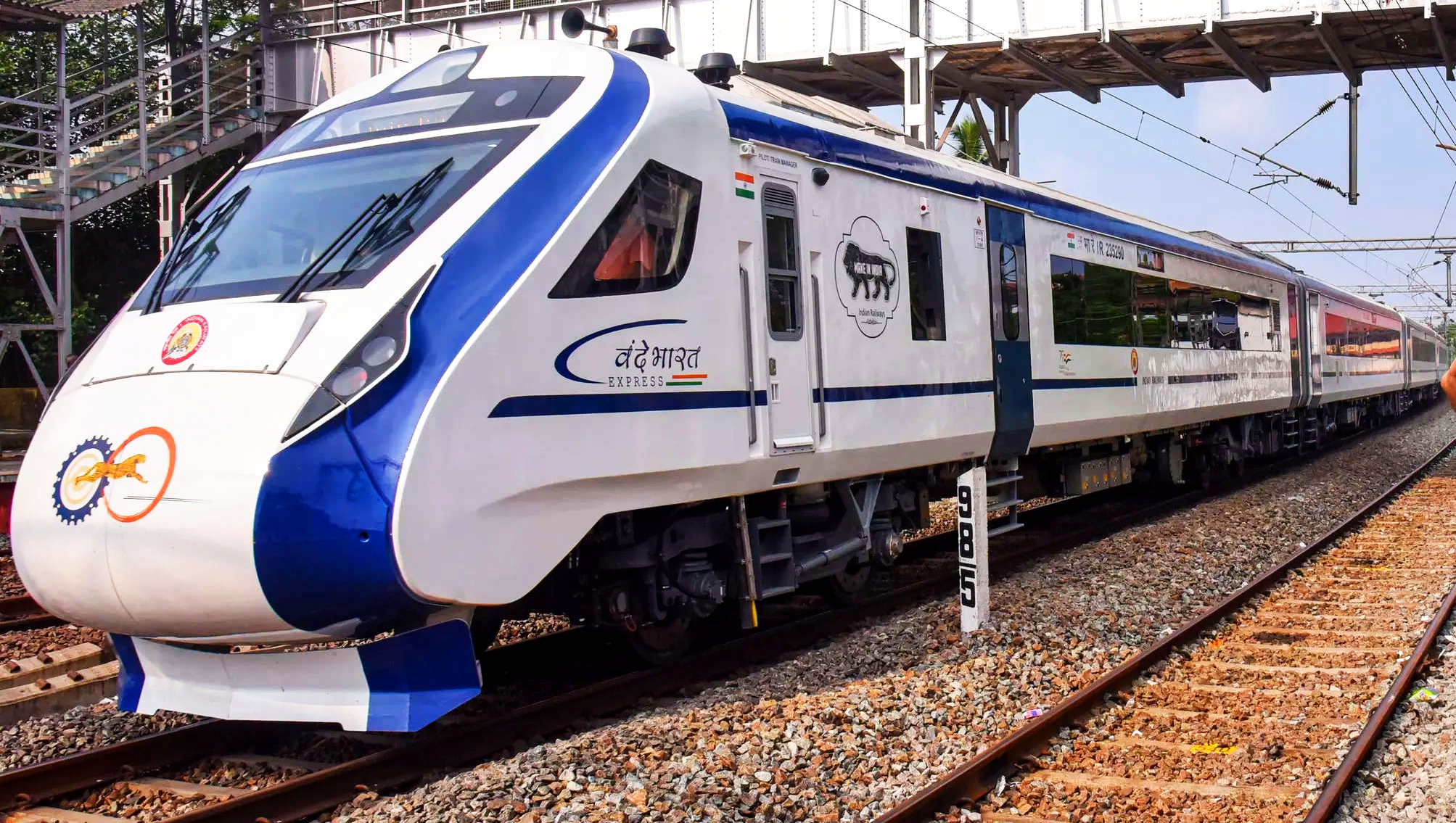
Vande Bharat is no longer just a train—it is India’s fastest-scaling mobility platform. In less than a decade, it has moved from a pilot project to the backbone of premium intercity travel. Looking ahead 20 years, Vande Bharat sits at the crossroads of demographics, infrastructure modernization, manufacturing ambition, and exports.
This blog covers:
20-year demand projection (what really drives it)
Why other nations want to buy or replicate it
An aggressive ₹1,00,000 investment strategy aligned with this theme
1. Why Vande Bharat Demand Can Grow for 20 Years
India’s structural tailwinds
Urbanization + rising incomes → more time-sensitive intercity travel
Short-haul air congestion & cost → rail becomes competitive at 300–800 km
Existing track advantage → semi-high-speed upgrades are faster than bullet trains
Political continuity → rail capex enjoys rare cross-party support
Unlike highways or airports, rail scales quietly but relentlessly—once routes fill up, capacity expands via longer rakes and higher frequency.
2. 20-Year Demand Projection (Scenario Lens)
Instead of one fragile number, think in three realistic demand scenarios.
Scenario 1: Conservative (Infrastructure-limited)
Focus on ~150–200 dense city pairs
Mostly daytime premium service
Incremental growth via 16/20-coach upgrades
Outcome: Vande Bharat remains the “business class” of Indian Railways.
Scenario 2: Base Case (Most Likely)
Continuous induction of trainsets over 2 decades
Sleeper + chair car mix expands addressable routes
High utilization on Tier-1 & Tier-2 corridors
Outcome: Vande Bharat becomes the default for intercity journeys under 8 hours.
Scenario 3: Aggressive (Platform Expansion)
Signaling + track upgrades unlock higher average speeds
Standardized maintenance depots improve availability
Export variants gain traction abroad
Outcome: Vande Bharat turns into India’s Shinkansen moment—without waiting for new tracks.
👉 Over 20 years, demand is capped not by passengers, but by manufacturing + track readiness.
3. Vande Bharat Today: Proof of Demand
The strongest evidence isn’t marketing—it’s operations:
Multiple routes upgraded from 8-coach to 16/20-coach
Persistent waiting lists on popular corridors
Push for sleeper variants due to long-distance demand
This is classic capacity-following-demand, not artificial supply.
4. Vande Bharat 4.0: Why It Matters More Than Speed
Vande Bharat 4.0 is less about headline km/h and more about repeat usage economics.
Expected focus areas
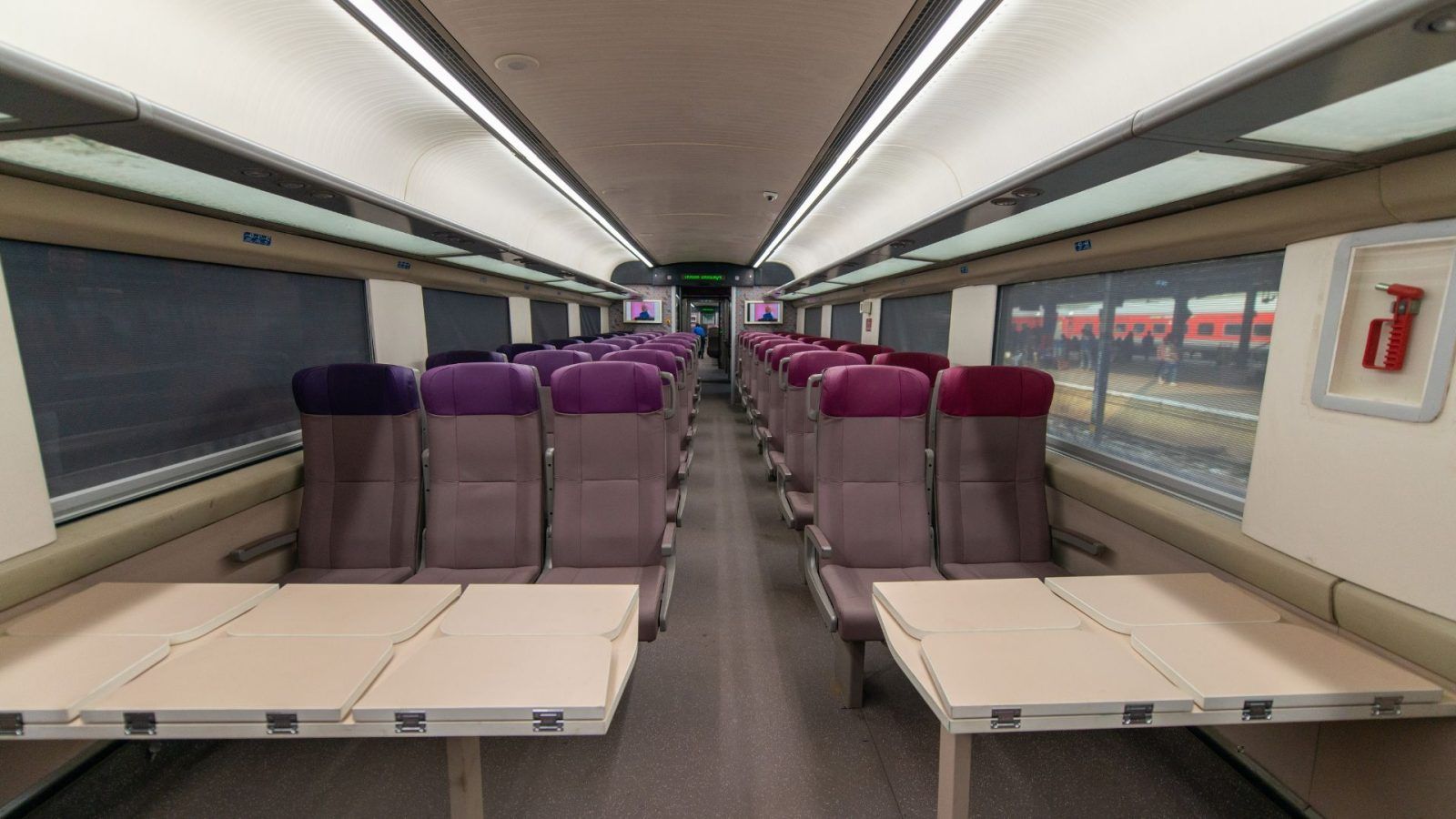
Better seats & ergonomics
Improved toilets & interiors
Higher reliability & lower downtime
Export-ready quality standards
Why this matters:
Comfort + reliability drive frequency of travel
Lower maintenance downtime = higher revenue per trainset
Global-quality design unlocks exports and licensing
In rail, availability beats top speed for profitability.
5. Why Other Nations Want to Buy or Replicate Vande Bharat
Many countries don’t need 350 km/h bullet trains. They need:
Faster intercity mobility without rebuilding tracks
Lower capex per km
Proven EMU platforms adaptable to climate & voltage
Vande Bharat offers:
A plug-and-scale semi-high-speed model
Flexible coach configurations
Potential for local assembly + maintenance contracts
This mirrors how Airbus/Bombardier sold platforms—not just planes or trains.
6. Aggressive ₹1,00,000 Investment Strategy
(High risk, high potential; 5–10 year horizon)
This strategy assumes:
Rail capex continues
Vande Bharat platform scales domestically
Volatility is acceptable
Allocation Philosophy
100% thematic exposure
Focus on companies closest to execution, not headlines
Willingness to rebalance annually
Aggressive Portfolio (Illustrative)
1. Rolling Stock & Manufacturing (40%)
Titagarh Rail Systems – ₹40,000
Direct exposure to coach & trainset ecosystem
Benefits from both domestic orders and exports
Higher volatility, higher operating leverage
2. Rail Infrastructure & EPC (35%)
Split equally:
RVNL – ₹17,500
IRCON International – ₹17,500
Why:
Execution arms of rail expansion
Beneficiaries of station upgrades, depots, electrification, signaling
Order-book driven growth
3. Rail Consultancy & Exports (25%)
RITES – ₹25,000
Asset-light, higher margins
Overseas rail consultancy & export exposure
Acts as partial stabilizer within an aggressive basket
What makes this “aggressive”
High PSU + capex cyclicality
Sensitive to order flow, budget changes, valuations
Can outperform strongly in rail upcycles—and underperform sharply if sentiment turns
7. Risk Management Rules (Non-Negotiable)
Stagger entries (3–4 buys over 1–2 months)
Rebalance annually back to target weights
If rail theme >40% of total net worth → stop adding
Book partial profits after sharp multi-quarter rallies
Aggressive doesn’t mean careless.
Final Takeaway
Vande Bharat is not a short-term headline—it is a 20-year compounding story built on:
Demographics
Infrastructure realism
Manufacturing scale
Export ambition
For investors, the real bet isn’t on one train—it’s on India turning rail into a repeatable industrial platform.
Comments
Post a Comment